
Nightguards for Bruxism Corbin
Don’t Let Your Teeth Wear Themselves Down

You might take good care of your teeth during the day, but what about at night? If you have bruxism, your teeth could be gradually wearing themselves down while you sleep without you even being aware of it. Eventually, your pearly whites might even become fractured. To protect yourself from the dangers of grinding teeth at night, contact Corbin Family Dental Care today to ask about getting a nightguard designed to prevent the consequences of bruxism and preserve your dental health.
Why Choose Corbin Family Dental Care for Nightguards for Bruxism?
- Advanced Dental Technology Ensures Precise Diagnosis
- Personalized, Comfortable Nightguards for All Patients
- Save On Your Care Without Insurance with Our Brilliant Membership Plan
What Is Bruxism?

“Bruxism” is the medical term for teeth grinding and jaw clenching. It can occur while you’re awake, but in many cases, it happens unconsciously while you’re asleep. The causes of bruxism are numerous, and the condition has been linked to anxiety, stress, excessive alcohol consumption, smoking, caffeine, snoring, and especially to sleeping disorders such as obstructive sleep apnea.
If you only suffer from occasional bruxism, there may not be any lasting damage done to your teeth. On the other hand, if it happens frequently and isn’t addressed, it could lead to moderate to severe dental damage as well as facial pain or disrupted sleep.
What Are the Symptoms of Bruxism?
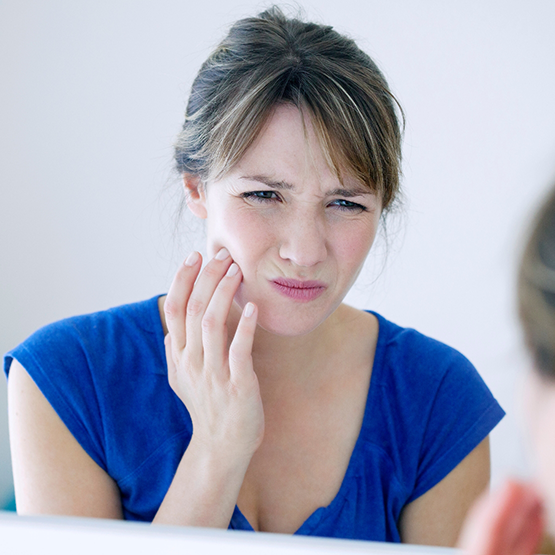
When you clench and grind your teeth repeatedly, you put intense pressure on your jaw muscles and surrounding tissues. Over time, you might notice the following symptoms:
- Frequent dull headaches in the morning
- Jaw pain, tenderness, or soreness
- Pain or fullness in the ears
- Teeth that have become sensitive (for example, feeling pain when biting something hot or cold)
- Painful, loosened, or fractured teeth
- Insomnia
- Increased anxiety or depression
Not all these symptoms will necessarily manifest in your case, but they should each be considered a cause for concern on their own. Call Corbin Family Dental Care as soon as possible so that we can help figure out whether a nightguard could solve your problems.
How Nightguards Treat Bruxism
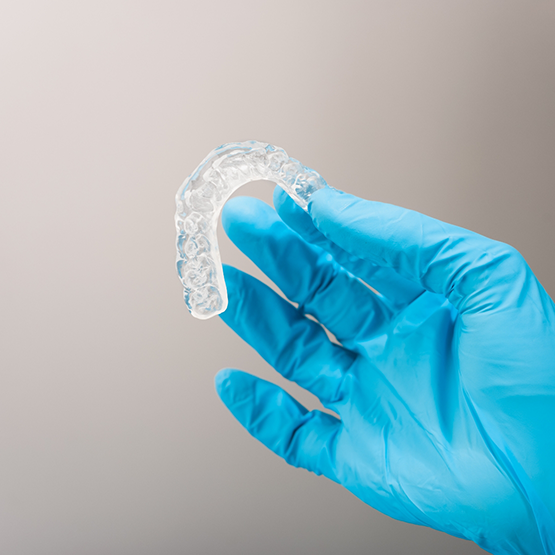
As you might expect from the name, you’ll wear your nightguard when you go to bed. It acts as a barrier between your upper and lower teeth; it can also help lighten the tension and cushion your jaw muscles whenever they clench. This will help alleviate the pain and protect the enamel of your teeth. In the long run, this device can prevent a lot of damage to your mouth.
Why You Should Get Your Nightguard from a Dentist
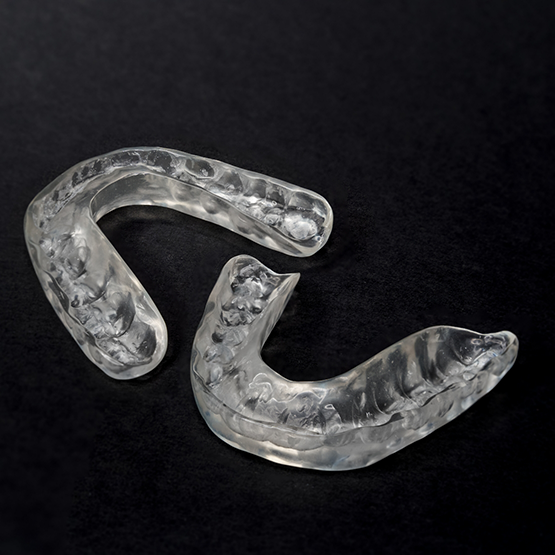
You can get a “one size fits all” nightguard from your local pharmacy or even online, but if you want the best results, you should get a customized appliance from a dentist. Not only will it be made of higher-quality material, but since it will be designed based on an impression of your mouth, it’ll be far more comfortable as well.
Think you might be suffering from bruxism? Make an appointment with Dr. Katherine Whitaker right away so that you can have a safe, comfortable night’s sleep again!