
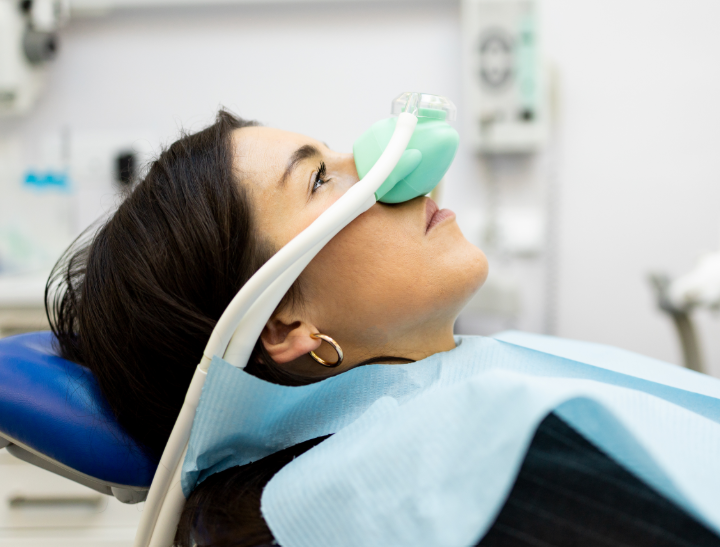
For many people, the idea of visiting the dentist can trigger anxiety or fear. Fortunately, dental sedation has made it possible for patients to feel calm and comfortable during treatment. Despite its long history of safe use, sedation dentistry is often misunderstood. Let’s take a closer look at some of the most common myths and uncover the truth behind them.
Myth #1: Sedation Dentistry Puts You to Sleep
One of the biggest misconceptions is that sedation always means being completely unconscious. In reality, most forms of dental sedation are designed to help you relax while staying awake and responsive. Options like nitrous oxide, commonly known as laughing gas, or oral sedation allow you to remain conscious but deeply at ease. While some patients may feel drowsy or have limited memory of the procedure, they are not fully asleep unless general anesthesia is specifically used, which is typically reserved for more complex cases.
Myth #2: It’s Only for Major Procedures
Many people assume sedation is only used for oral surgeries or lengthy treatments. However, sedation dentistry can be helpful for a wide range of procedures, including routine cleanings or fillings. Patients with dental anxiety, sensitive teeth, or a strong gag reflex often benefit from sedation, even during shorter appointments. It’s about making the experience more comfortable, regardless of the procedure’s complexity.
Myth #3: Dental Sedation Is Unsafe
Safety concerns are another common myth, but dental sedation is considered very safe when administered by trained professionals. Dentists carefully review your medical history, current medications, and overall health before recommending any form of sedation. During the procedure, your vital signs are closely monitored to ensure everything remains within a safe range. When performed correctly, sedation dentistry has a long track record of success and safety.
Myth #4: You’ll Lose Control
Some patients worry that sedation will cause them to lose control or say things they wouldn’t normally say. In reality, sedation is designed to help you feel relaxed, not out of control. Most patients remain aware enough to respond to questions or instructions from their dental team. The goal is to ease anxiety while maintaining a sense of comfort and cooperation throughout the visit.
Myth #5: Recovery Takes a Long Time
Another misconception is that sedation requires a lengthy recovery period. The truth depends on the type of sedation used. Nitrous oxide wears off quickly, often allowing patients to resume normal activities right after their appointment. Oral or IV sedation may require a bit more recovery time, but most patients feel back to normal within several hours. Your dentist will provide clear aftercare instructions to help ensure a smooth recovery.
Myth #6: It’s Only for Adults
Sedation dentistry isn’t just for adults—children can benefit from it as well. Pediatric dentists often use mild sedation techniques to help young patients feel calm and cooperative during treatment. When administered appropriately, sedation can make dental visits a more positive experience for patients of all ages.
Dental sedation is a valuable tool that helps make dental care more accessible and comfortable for many patients.
About the Practice
At Corbin Family Dental Care, Dr. Katherine Whitaker leads a compassionate, patient-focused practice dedicated to helping individuals and families feel comfortable and confident in their care. Originally from Bardstown, Kentucky, Dr. Whitaker brings a warm, personalized approach to dentistry, combining advanced training—including certification in IV sedation—with a commitment to treating each patient with respect and understanding. She earned her dental degree from the University of Kentucky and continues to pursue ongoing education to provide a wide range of services with precision and comfort. Supported by a friendly, experienced team, the practice emphasizes a welcoming environment, modern technology, and individualized treatment plans designed to meet each patient’s unique needs.
Call us at (606) 523-1415 or schedule your appointment online.